
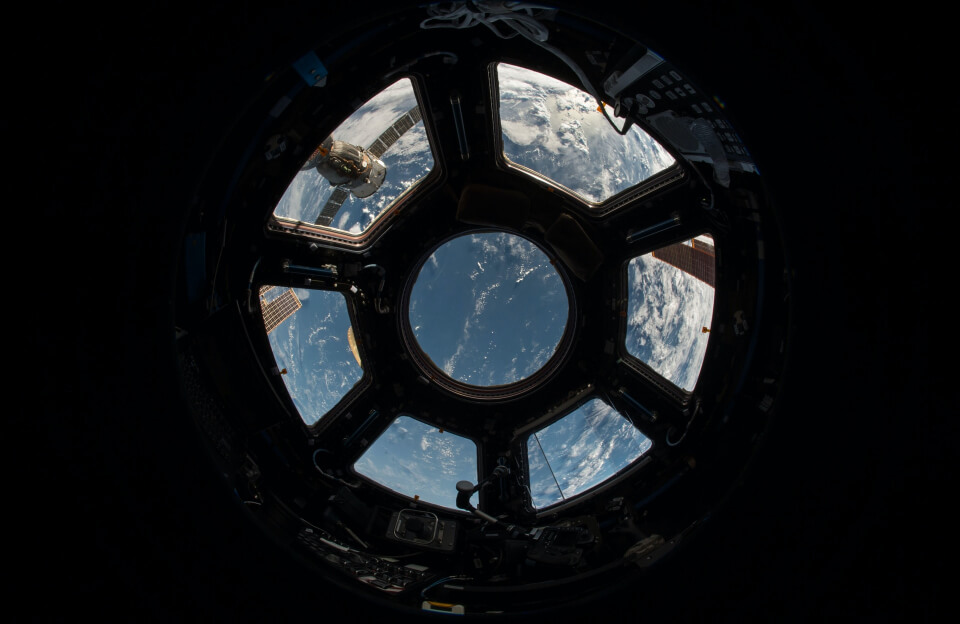
Space has always fascinated people, but in recent years that fascination has grown into something more active. Instead of being a distant topic reserved for scientists and astronauts, space has become part of everyday conversation. Images of planets, discussions about future missions, and renewed interest in astronomy have made people curious about what lies beyond Earth in a very personal way.
What’s different now is how accessible space exploration feels. You no longer need advanced knowledge or expensive equipment to engage with it. For many people, curiosity about space starts at home, looking up at the night sky and wondering what is actually visible from their own backyard.
Space Feels Closer Than It Used To
Advances in technology have played a major role in this renewed interest. High-resolution images from space telescopes and planetary missions are widely shared, turning distant celestial objects into something familiar. Seeing detailed views of the moon, planets, and deep space sparks a natural desire to observe them firsthand.
At the same time, public conversations around space exploration have become more frequent. From discussions about future lunar missions to the search for habitable planets, space feels less like science fiction and more like an ongoing story that anyone can follow.
This sense of closeness has inspired people to look beyond screens and experience the night sky directly.
Why Stargazing Is Becoming Popular Again
Stargazing offers something that many modern experiences don’t. It encourages people to slow down, be present, and engage with something larger than themselves. There are no notifications, no updates, and no pressure to constantly interact. Instead, there is patience, observation, and quiet discovery.
For families, stargazing has also become a meaningful shared activity. It blends education with curiosity, allowing kids and adults to learn together without the structure of a classroom. Simply identifying the moon’s surface or spotting a bright planet can spark deeper interest in science and exploration.
How Technology Supports Curiosity, Not Distraction
Interestingly, some of the most rewarding tech experiences today are the ones that step away from constant digital engagement. Telescopes fall into this category. They are tools, not platforms, designed to reveal rather than distract.
Modern beginner telescopes have made stargazing more approachable than ever. Lightweight designs, simple mounts, and smartphone compatibility allow users to observe space without complex setup or prior experience. This balance between traditional observation and modern convenience has helped telescopes regain popularity as a practical gadget.
A Simple Way to Experience Space Firsthand
For people curious about space but unsure where to start, a beginner-friendly telescope can bridge the gap between interest and experience. Models designed for newcomers offer clear views of the moon and planets while remaining easy to transport and use.
One example is a compact refracting telescope that combines a manageable aperture with a lightweight mount and accessories that support casual observation. Telescopes like this make it possible to explore the night sky without committing to a complicated hobby.
You can see an example of a beginner telescope designed for this purpose here:
Check price and availability on Amazon
👉Link
Why Space Gadgets Have Long-Term Appeal
Unlike many gadgets that lose relevance over time, space-related tools often grow more interesting the longer you use them. As curiosity deepens, so does appreciation for what the night sky offers. A telescope does not become obsolete because the experience itself evolves as the user learns more.
This makes space gadgets especially appealing as gifts or long-term additions to a home. They encourage exploration, learning, and moments of wonder that don’t rely on constant upgrades or subscriptions.
Final Thoughts
The renewed interest in space reflects a broader desire for meaningful experiences. People are looking for ways to reconnect with curiosity, science, and the natural world. Stargazing offers all of that in a simple and accessible form.
As space continues to inspire new generations, tools that help people explore it firsthand are becoming more relevant. Sometimes, the most impactful technology is the kind that helps you look up, slow down, and see the universe with fresh eyes.